South Australia’s fuel security
Get the latest information on fuel security in South Australia and find out how the SA Government is working with the Australian Government and industry to help keep our state’s fuel supply secure.
Fuel security update
The conflict in the Middle East has affected the normal movement of fuel around the world. While fuel continues to arrive in South Australia in the quantities we need and expect, these global disruptions are causing concern in our community and changing our usual fuel-buying habits. The fuel sector is resupplying the state as quickly as it can, but high demand and altered buying patterns are causing some supply disruptions.
The State Government is working with the Australian Government, industry, businesses and community groups to make sure fuel keeps flowing to where it needs to go.
Frequently asked questions
Shipment tracking shows ongoing supplies arriving in Australia and South Australia over the coming weeks.
Information from the Australian Government indicates the surge in demand relates to changes to fuel buying habits and not an increase in usage overall.
The combined effect of lots of people buying small amounts more than they normally would – either by topping up earlier than usual, or taking fuel home to store – is the greatest source of surging demand.
It’s this different purchasing behaviour, rather than increased fuel use, that’s putting pressure on parts of the supply chain.
Fuel supply is primarily an Australian Government responsibility, but the South Australian Government has been playing an important role by:
- establishing a strategic diesel reserve of 10 million litres at Port Bonython, with the option to secure and store up to 20 million litres if required
- coordinating cross-government responses to identified short-term supply issues
- working closely with fuel-dependent industries to understand and meet their fuel requirements and supply challenges
- contributing to national decision-making functions such as National Cabinet, the National Fuel Taskforce and the Energy and Climate Change Minister’s Forum.
The South Australian Government has partnered with the RAA to expand its real-time petrol pricing app to provide detailed reporting on fuel availability by station. This information is available at the fuel prices section of the RAA website.
Users do not need to be an RAA member to access fuel prices and availability of unleaded 91, 95 and 98, diesel, liquefied petroleum gas (LPG), E10 and E85.
The Australian Government has primary responsibility for fuel supply into the country, but all governments, including states and territories, are doing what they can to support communities, business and industry.
At a state level, the South Australian Government has:
- announced it will establish a strategic diesel reserve of 10 million litres at Port Bonython, with the option to secure and store up to 20 million litres if required
- partnered with the RAA to expand its real-time petrol pricing app to provide detailed reporting on fuel availability by station
- tripled funding for compliance, allowing an additional 100 fuel inspections each month, and doubling the current penalties for fuel retailers who fail to comply
- met regularly with impacted sectors and key industry stakeholders to ensure their concerns are heard and, where necessary, brought directly to the Australian Government
- coordinated cross-government responses to identified short-term supply issues
- worked closely with fuel-dependent industries to make sure their fuel requirements are well understood and supply challenges can be resolved
- contributed to national decision-making functions such as National Cabinet, the National Fuel Taskforce and the Energy and Climate Change Minister’s Forum
- convened an Industry Roundtable chaired by the Premier and to bring together the Treasurer and Minister for Energy and Mining Tom Koutsantonis with departmental chief executives, representatives of the fuel supply chain, and the agricultural, transport, tourism, mining and food industries to discuss fuel supply chain matters
- worked with other states and territories to take fuel cost reductions even further, directing a $40 million GST revenue windfall to reduce the cost of diesel and petrol in South Australia by a further 5.7 cents per litre - equalling a total 32 cent-per-litre reduction in the coming weeks.
At the national level, the Australian Government has:
- announced the National Fuel Security Plan to better plan and manage fuel security across Australia
- halved the fuel excise as a temporary measure to save motorists around 26.3 cents a litre at the bowser, reducing the cost of a 65-litre tank of fuel by $19
- temporarily cut the Road User Charge for heavy vehicles to zero to reduce cost impacts on the freight industry
- charged the Australian Competition and Consumer Commission (ACCC) with actively monitoring fuel pricing behaviour to make sure consumers are protected
- approved the release of 20% of the country’s domestic reserves of petrol and diesel
- boosted fuel supplies by adjusting regulations to expand the number of terminals and refineries we can source fuel from.
Global oil prices are up significantly since the conflict in the Middle East began, and this has led to a sharp rise in fuel prices across the country.
We don’t know how long this situation will last, but every effort is being made to make sure fuel supplies remain constant, and prices are as stable as they can be in this unpredictable time.
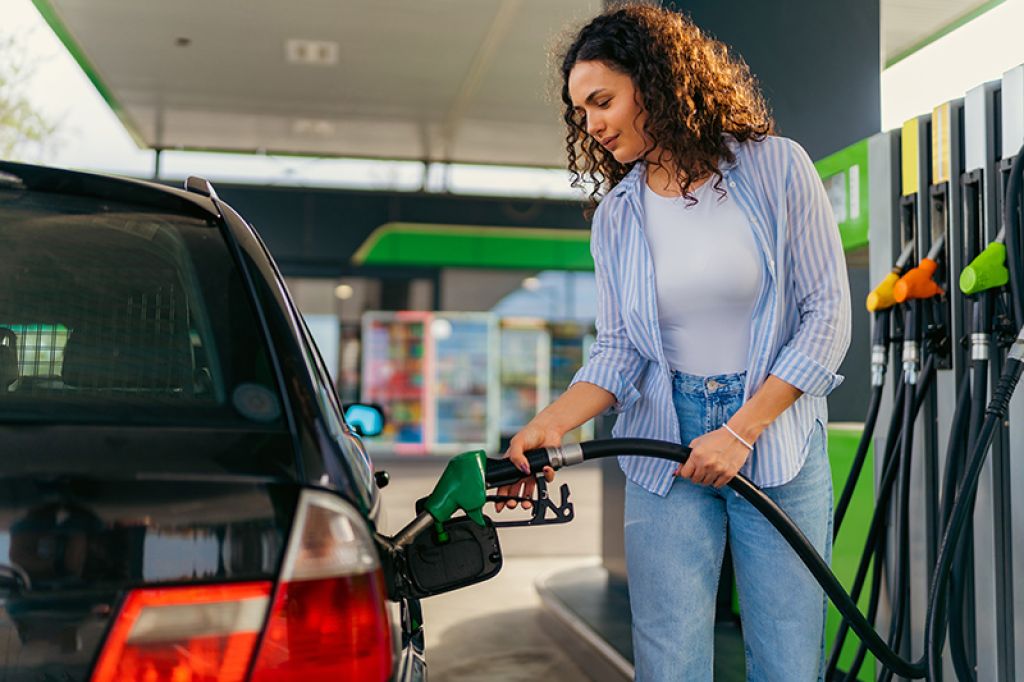
You can help reduce fuel supply impacts by only buying the fuel you need, at the time you would normally buy it.
See ways to reduce fuel consumption on energy.gov.au.
By using the RAA real-time petrol pricing app to find the lowest-cost fuel near you, you help to keep competitive pressure on service stations.
You can report mismatches between a service station’s price on the RAA real-time app and the price at the bowser to Consumer and Business Services – report a fuel price complaint.